
人与时代:雅克·格兰特福德肖像画的特质
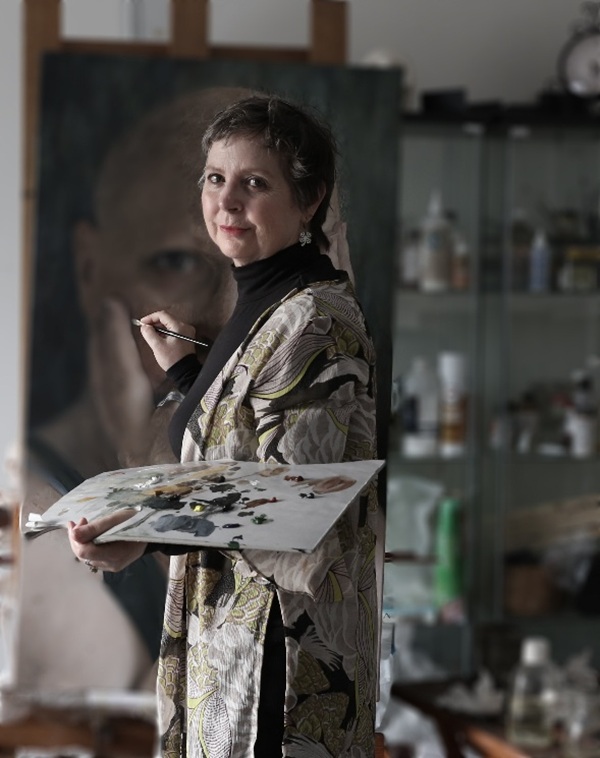
雅克·格兰特福德
雅克·格兰特福德(Jaq Grantford)是一位澳大利亚具象艺术家,她的创作涵盖绘画和雕塑。她的艺术实践源于对面孔的着迷,以及人们如何通过表情、存在感和姿态——往往是无意识地展现自我。雅克·格兰特福德感兴趣的不仅仅是塑造精确的肖像,她希望捕捉到人物内心的本质:那些让他们成为独特个体的特质。她会花时间仔细观察对象,让其性格、个性与故事通过作品自然显现。对她而言,一幅成功的肖像是让人感受到对方真实在场,而不仅仅是可辨认,她的肖像与具象艺术作品以写实为基础,同时强烈关注图像背后的人类经验。她被那些能深刻揭示人物的小细节所吸引:一道目光、一个手势、某种特定的表情,或是他们的姿态;她的雕塑实践将这些理念延伸至三维形式,通过材料、过程与质感探索人体,有机元素与微妙的变形,成为她探讨人类与自然世界联系、以及人体与环境关系的方式。
尽管人物是雅克·格兰特福德创作的核心,她同样被周围的其他事物所吸引——静物、建筑、物件,以及我们生活世界中的碎片。这些主题可以承载记忆、故事,以及时间与地点的感觉。她感兴趣的是,是什么吸引我们关注它们,以及它们能揭示出与之相关的生命与经验。雅克·格兰特福德拥有美国肖像协会签名会员资格,并是 ARC 在世艺术家准会员。她曾获得多项重要奖项,包括达令肖像奖、阿奇博尔德奖观众选择奖以及肯尼迪奖。她的作品被多家公共与私人收藏机构收藏,包括欧洲现代艺术博物馆(MEAM)、澳大利亚国家肖像馆以及维多利亚国家美术馆。在2026年西班牙举办的塔吉特绘画大赛中,其作品《世代养蜂人》荣获“盛鑫煜艺术奖”。
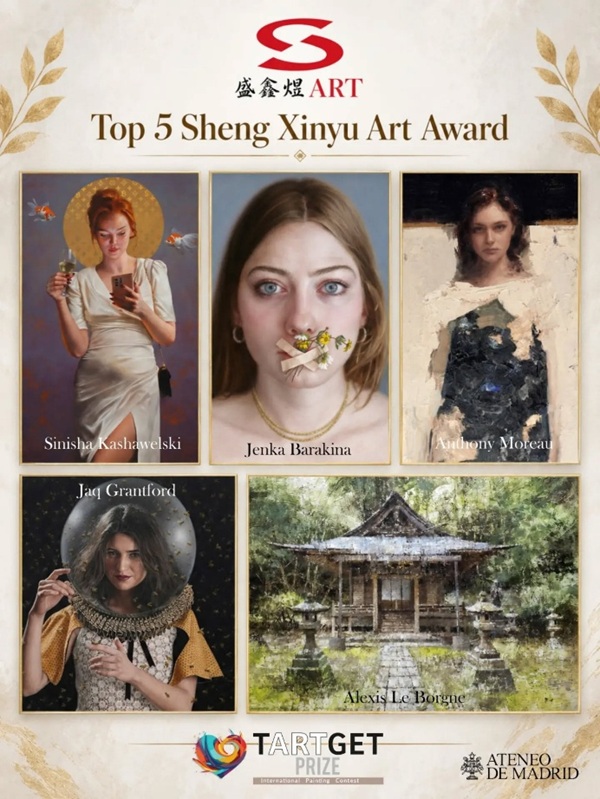
五幅荣获“盛鑫煜艺术奖”的作品
澳大利亚当代具象艺术家雅克·格兰特福德,深耕绘画与雕塑领域,斩获达令肖像奖、阿奇博尔德奖观众选择奖等多项重磅奖项,作品被多国知名美术馆收藏。她立足写实基底,跳出传统肖像复刻容貌的局限,以捕捉人物内在本质为核心美学追求,为当代肖像艺术赋予了全新表达维度。
格兰特福德的肖像创作摒弃表层形貌描摹,专注挖掘个体独特的精神特质与生命故事。她擅长捕捉人物无意识的眼神、姿态与细微神情,依托细致入微的观察,让人物性格与生活底蕴自然流露。对她而言,优质的肖像无需仅追求样貌可辨,更要塑造出人物真实的精神在场感,依托写实技法承载真实的人类经验与情感内核。同时,她将创作理念延伸至雕塑、城市景观、静物等创作中,以多元媒介探索人与环境、自然的联结,用日常物象承载记忆与时代质感。
其作品的当代性尤为突出。相较于古典肖像的身份叙事与当代部分肖像创作的符号化表达,她始终以“人”为核心,拒绝技法炫技与观念空洞化。她聚焦普通劳动者、少数群体等多元个体,平视不同生命形态,以肖像记录个体故事、彰显生命尊严,拓宽了当代肖像的题材边界。代表作《世代养蜂人》便以写实笔触诠释职业传承与人与自然的羁绊,赋予肖像厚重的人文底蕴。
在图像泛滥的当下,格兰特福德以深度人文观察,区别于快餐式影像记录,用写实绘画留存转瞬即逝的情绪与生命温度,活化了传统写实语言,为当代具象肖像艺术的创新发展提供了优质范式。
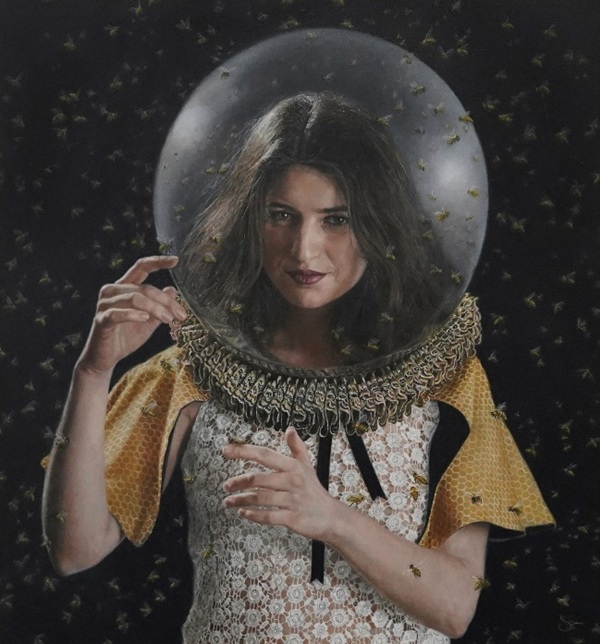
雅克·格兰特福德获奖作品
雅克·格兰特福德访谈
一、写实绘画的精神突破:具象形态与观念隐喻的融合
1. 您的作品以严谨细腻的古典写实为视觉基底,同时大胆融入半人马、雨窗、铁丝网、白鸽等超现实隐喻意象,形成“写实外壳、观念内核”的独特冲突质感。这种兼具具象与隐喻的表达方式是怎样形成的?
小时候我们曾出国旅行,我得以亲眼看到米开朗基罗、拉斐尔、伦勃朗和达·芬奇等大师的作品。那种亲身接触的经历令人震撼,也对我产生了深远的影响。稍晚一些,我发现了超现实主义者,尤其是达利和马格利特。达利对我来说稍显阴暗,但我很喜欢他扭曲现实的方式。我自己对象征的运用有所不同。它并不关乎我的潜意识;我使用某个元素或物体,是因为它能说明关于对象的某些东西,并为画面增添洞见与趣味。扭曲预期的事物,本身就很有乐趣。
2. 传统写实肖像多以复刻形貌、还原真实为目的,而您刻意在逼真的人物形体中植入象征性意象。您希望通过这种创作方式,引导观众跳出“形似与否”的浅层审美,抵达怎样的深层精神体验与作品解读维度?
我希望观众去思考这个人真正是谁,以及是什么让他(她)变得独特。一幅肖像不应仅仅止于再现外貌。例如,我画过Jeffah的肖像。他从六岁起就做了20年难民,后来却在澳大利亚建立起美好的生活,并帮助处境不利的年轻人。我觉得他的故事很重要,因为它不仅讲述了他这个人,也触及澳大利亚的难民问题。为此,我把Jeffah画在铁丝网后面,而铁丝网逐渐幻化成自由飞翔的鸟儿。他穿着由美丽缎子制成的传统服装。这些添加元素讲述了一个人如何克服重重困难,创造了自由而充满欢乐的生活。我的许多其他作品都以一个概念为起点,而非纯粹的肖像。在《For All the Women I’ll Never Know》这幅画中,我把男性艺术家的著名自画像重新创作为自己的自画像。这是一种思考艺术史上女性处境以及我自己在那段历史中位置的方式。
3. 画面中的各类隐喻物象均对应着专属的精神内涵与社会议题,在创作过程中,您如何平衡古典写实技法的严谨秩序与当代观念表达的自由性,避免符号生硬堆砌,让隐喻意象自然融入人物的生命叙事与情绪表达之中?
我认为当代现实主义应当反映我们所处的时代,捕捉这个时代的环境、经历与情感。对我而言,题材始终是第一位的。无论我画的是人、物、风景,还是更具象征性的内容,画面中的元素都必须与我所讲述的故事真实地关联起来。我并不感兴趣为象征而象征。古典现实主义为我提供了纪律与结构,使事物看起来经过观察、真实可信,但我并不把现实主义与观念视为对立。现实主义是基础,在此之上,我可以引入观念、情感与联想,使作品超越纯粹可见的层面。最终,我希望画面中的一切都感觉像是自然属于那里的。
二、人文平等内核:小众与边缘群体的肖像书写
4. 肖像艺术历来多聚焦社会精英、名流权贵,而您长期将创作视角投向跨性别者、残障人士、普通老者等边缘小众群体。支撑您持续聚焦平凡个体、以庄重平视的姿态记录普通生命的核心创作初心是什么?
讲故事。我热爱讲述一个好故事,而绘画是我表达想法的方式,也希望能借此帮助那些处于不利地位或被忽视的人。我最喜欢的一幅画之一是关于Tootsie的。他20岁时因同性恋身份入狱,为如今我们视为生活正常部分的事情坐了两年牢。我觉得他的故事需要被讲述出来。(见画作《Tootsie》照片)我也画过名人。最近我画了妮可·基德曼和她的姐姐安东尼娅,但即便如此,我感兴趣的仍是故事本身,而非名人身份。那幅画讲的是姐妹之间的爱,她们母亲临终前的愿望就是完成这幅肖像。
5. 在刻画边缘与小众群体时,您始终摒弃艺术创作中常见的猎奇化、悲情化叙事,坚持还原人物最本真、最自然的生命状态。您认为这种差异化的肖像表达,能够为被拍摄、被描绘的群体带来怎样的生命尊严与价值认同?
我相信所有人都应受到尊重。往往正是那些让人与众不同的特质,也让他们变得格外特别。我画过一位很棒的女性丽莎·麦克马纳斯(Lisa McManus),她因母亲服用后来被禁的沙利度胺药物而天生残疾。我完全像画其他人一样画她。当她看到这幅画时,她说仅仅几年前,残疾人士还不会被这样描绘——就只是作为一个美丽的人,没有噱头,也不去遮掩残疾。这让我深受触动。它让我思考,为什么如实看到一个人本来的样子,仍会让一些人感到不适。或许只是因为我们还没有真正欣赏差异之美。(见丽莎·麦克马纳斯肖像)
6. 您的创作涵盖公众名人和普通个体两类群体,在创作中会主动剥离名人的社会光环与身份标签,深度挖掘普通人的生命力量。您如何理解当代肖像艺术的核心本质?是否认同“肖像的意义是记录生命,而非标榜身份”这一观点?
完全认同。地位是暂时的,对我来说也并不有趣。我所感兴趣的是一个人的核心——是什么让他成为独特的自己,同时也是什么将我们所有人联结在一起。那就是我们的人性,我相信我们之间还存在着一种精神上的联结。画一个人最重要的部分之一,就是花时间与对方相处、交谈,去了解他真正是谁。写生时间往往有限,因此很大程度要依靠直觉。我必须信任自己所有的感官,并提出问题。
三、审美革新:重构打破世俗桎梏的当代生命美学
7. 大众世俗审美长期推崇年轻、完整、精致的完美生命形态,而您坦然直面并细致刻画人体的衰老、伤痕、残缺与脆弱。在您看来,这些不完美的生命肌理,承载着怎样不可替代的艺术价值与人生意义?
我所感兴趣的是那些能告诉我们关于一个人某些东西的事物;有时是身体上的伤疤、衰老的痕迹或脆弱,但也可能是完全不同的东西。我们每个人都有内在与外在的伤疤,它们见证着一段被经历过的人生。而脆弱意味着懂得如何去爱,这极其重要。同样,我有时也会以理想化的美去描绘青春——但那是为了表达某种概念。这幅名为《Transparent》的画作,画的是一个裹在玻璃纸中的裸体,呈现出古典裸体的姿势,而玻璃纸则将它带入我们的当代。它也在评论我们外在遮蔽的透明性。
8. 您的作品始终接纳生命的全部真实样貌,拒绝刻意美化、修饰人物的岁月痕迹与身体缺憾。您希望通过这样的美学表达,打破大众对于人体形态、生命状态与艺术审美的哪些固化认知?
人本来就是美的,无论那美是什么样子。有时这意味着展示伤疤或时间的印记,有时则只是让一个人的美、性格或独特性自己说话。常常,被画者或他们的家人在看到自己被画出的样子时会落泪。我想是因为他们真正被看见了。没有任何改动或掩饰,他们突然看到了自己的美。
9. 您的作品跳出了古典美学的黄金比例范式,也摒弃了商业审美下的标准化完美面容。您是否认为,当代美学应当重新扩容,将古典美学刻意舍弃的脆弱、伤痕、衰老等生命形态,正式纳入当代艺术的审美体系之中?
是的,我认为现实主义可以呈现人类经验的所有面向,包括脆弱、伤疤与衰老,也包括美、性感、力量与个性。现实主义不应回避实际存在的东西,无论那是什么。我们应当拥抱脆弱。鲁本斯描绘丰腴的女性,并赞美她们的身体,而不是试图掩饰。我想这正是他的作品如此受喜爱的原因之一。通过展示痛苦,我认为我们可以让它变得更容易承受。一个例子是我画的一幅自画像:化疗刚结束时,我完全光头的样子。我现在非常健康,但在当时那是一段非常直面现实的经历。那绝不是一幅漂亮的画,但画它本身极具疗愈性。其他经历过癌症的人对此的反应令人惊叹。一位朋友告诉我,她觉得这幅画非常重要——她母亲在抗癌时拒绝化疗,因为不想失去头发。不久后她就去世了。这让我意识到,有时诚实地展示某些东西,可以成为帮助他人减少孤独感的一种方式。
四、古典与当代:传统技法的时代新生与艺术坚守
10. 您深耕伦勃朗古典光影与造型技法,却用以承载身份认同、边缘群体、生命困境等前沿当代人文议题。相较于多元新潮的现代艺术媒介,您为何始终选择传统写实油画作为表达当代思考的核心载体?
我只是热爱它。从把某样东西变得真实中,我获得巨大的快乐。年轻时在澳大利亚,我不断被鼓励放弃现实主义,因为人们觉得它“不够当代”。但他们没有意识到,我其实别无选择。那是我的艺术声音,也是我通过艺术讲述我想讲的故事的最佳——其实也是唯一——的方式。有趣的是,当抽象艺术最初出现时,艺术家被鼓励去画写实,忘掉抽象。而现在,在某种程度上,现实主义艺术家面临着相反的压力。不过我认为现在情况已经平衡多了。人们开始意识到,各种不同的艺术风格都有空间,而且都可以是有效的。
11. 当下当代艺术普遍趋向抽象化、观念化、极简化,您始终坚守并活化古典具象写实技法,赋予其全新的当代思想内核。您认为在当代艺术语境中,传统具象绘画最核心、不可被替代的艺术价值是什么?
它有独特的方式能唤起观者的共鸣,并讲述一个能产生连接的故事。观众也会欣赏现实主义所需要的能力与技巧,我认为这一点不应被轻视。那句老话“这不过就是一张照片”其实并不成立。你可以让100位现实主义画家画完全一样的东西,它们依然会各不相同,尽管都同样写实。任何艺术都不可避免地会捕捉到创作者本人的某些本质。
12. 您的创作实现了古典技法、心理叙事与当代人文思想的深度融合,为传统艺术创新提供了全新思路。对于青年艺术创作者如何平衡传统技法传承与当代艺术思想创新,您有哪些思考与建议?
画你热爱的东西。持续进步,永不停止学习。即使不接受正规教育,也要阅读、在线观看艺术、参观画廊,并真正解构你所看到的一切。保持好奇,勇于探索。你永远不知道它会把你引向何方。
13. 当下是滤镜美化、算法塑形、AI生成标准化完美面容的时代,真实且带有瑕疵的生命形态已然成为稀缺特质。在全民追逐完美虚拟形象的当下,您坚持刻画真实、有瑕疵、有温度的生命本貌,您认为这是一种艺术逆流,还是时代最亟需的艺术表达?
我认为确实有这个需要。我们被越来越不切实际的“人应该长什么样”的观念包围,而我觉得这会让人感到自己不够好。关于美的真正含义,也存在一种被扭曲的认知。我希望我的画能提醒人们:真实的人,带着他们全部的个性与不完美,也可以是美的。
14. 如今AI绘画能够快速复刻写实技法与视觉形态,在您的创作中,是否存在一些专属人类的生命体验、情感温度与精神表达,是人工智能永远无法复刻、无法替代的核心内核?
我不太确定。内心深处,我认为它做不到,因为我们始终在进化,而AI只能从我们给予它的东西中学习。意识有着我们尚未察觉的更深层次。我不喜欢AI窃取他人的知识产权,侵犯艺术家的版权与权利。但我不觉得AI会像我一样或比我更好地做我所做的事,从而对我构成威胁。它不会阻止我继续做我正在做的事情。我的作品是关于把内心的东西表达出来。如果AI同时能做类似的事情,并表达出关于人类经验或精神性的某种东西,而那对看到它的人有所帮助,那部分我完全可以接受。我的目标不是成为唯一一个——无论是人类还是AI——做我所做之事的人。我的目标只是去做我自己做的事。
Jaq Grantford Interview Outline
I. Spiritual Breakthrough in Realist Painting: The Fusion of Figurative Form and Conceptual Metaphor
1.Your work is grounded in rigorous, refined classical realism as its visual foundation, yet boldly incorporates surreal metaphorical imagery—centaurs, rain-streaked windows, barbed wire, white doves—creating a distinctive tension of “realist shell, conceptual core.” How did this dual mode of expression, simultaneously concrete and metaphorical, come into being?
As a child, we travelled overseas, and I was introduced to the works of great masters such as Michelangelo, Raphael, Rembrandt and Leonardo. Seeing their work firsthand was an incredible and formative experience.
A little later, I discovered the Surrealists, particularly Dalí and Magritte. Dalí was a little too dark for my liking, but I loved the way he twisted reality. My own use of symbolism is different. It’s not about my subconscious; I use an element or object because it says something about the subject and adds insight and interest to the painting.
There’s something very enjoyable about twisting the expected.
2. Traditional realist portraiture has largely aimed at replicating appearance and restoring likeness. You deliberately embed symbolic imagery within meticulously rendered human forms. Through this approach, what deeper spiritual experience and interpretive dimension do you hope to guide viewers toward, beyond the superficial criterion of “likeness”?
I want the viewer to think about who the person really is and what makes them unique. A portrait should go beyond simply portraying a likeness.
For example, I painted a portrait of Jeffah, who was a refugee for 20 years from the age of six, but went on to build a wonderful life in Australia and help disadvantaged young people. I felt his story mattered because it spoke not only about the man he is, but also about the issue of refugees in Australia. For this, I painted Jeffah behind a barbed wire fence that morphed into birds flying free. He wore traditional clothing made from beautiful satin. These additions tell the story of a man who overcame the odds to create a life that was free and full of joy.
Many of my other paintings begin with a concept rather than pure portraiture. In my painting, ‘For All the Women I’ll Never Know’, I recreated famous self-portraits by male artists as self-portraits of myself. It was a way of thinking about women in art throughout history and my own place within that history.
(See image of painting, ‘Asylum’)
(See image of painting, ‘For All the Women I’ll Never Know’)
3. Each metaphorical object in your paintings carries specific spiritual connotations and social concerns. How do you balance the disciplined order of classical realist technique with the freedom of contemporary conceptual expression, so that these symbols avoid feeling arbitrarily imposed and instead integrate naturally into the figures’ life narratives and emotional presence?
I think contemporary realism should reflect the time we live in, capturing the environment, experiences and emotions of our era.
For me, the subject always comes first. Whether I’m painting a person, an object, a landscape, or something more symbolic, the elements need to connect to the story I’m telling with authenticity. I’m not interested in adding symbolism simply for its own sake.
Classical realism gives me the discipline and structure to make things feel observed and believable, but I don’t see realism and ideas as opposites. Realism is the foundation, and from there I can introduce ideas, emotions, and associations that take the work beyond what is purely visible.
Ultimately, I want everything in the painting to feel as though it belongs there.
II. The Core of Humanistic Equality: Portraiture of the Marginalized and the Minority
4. Portraiture has historically centered on social elites, celebrities, and the powerful. You have long directed your gaze toward transgender individuals, people with disabilities, ordinary elders, and other marginalized groups. What fundamental creative conviction sustains your sustained focus on ordinary lives, recorded with solemn equality rather than hierarchical distance?
Storytelling. I love telling a good story, and painting is my way of expressing ideas and, hopefully, helping people who are disadvantaged or overlooked.
One of my favourite paintings was of Tootsie, who was imprisoned for being gay at the age of 20. He spent two years in jail for something that we now consider a normal part of life. I felt his story needed to be told.
(See photo of painting, ‘Tootsie’)
I’ve also painted celebrities. Recently I painted Nicole Kidman and her sister Antonia, but even then I was interested in the story rather than the celebrity status. That painting was about the love between the sisters, and their mother’s dying wish was for the portrait to be painted.
(See photo of painting, ‘Sisters’, of Nicole and Antonia Kidman)
5. When portraying marginalized and minority subjects, you consistently reject the exoticizing or sentimental narratives common in art. You insist on rendering the most authentic and natural states of being. What form of dignity and recognition of worth do you believe this differentiated approach can afford the people who are photographed or painted?
I believe all people deserve to be treated with respect. Often, it’s the things that make someone different that also make them incredibly special.
I painted a wonderful woman, Lisa McManus, who was born with disabilities as a result of her mother taking Thalidomide, a drug that was later banned. I painted her exactly as I would paint anyone else. When she saw the painting, she said that it was only a couple of years ago that a person with a disability wouldn’t have been painted that way – simply as a beautiful person, without a gimmick or hiding the disability.
That moved me enormously. It made me think about why seeing someone exactly as they are can still make people uncomfortable. Perhaps it’s simply because we still don’t appreciate the beauty of difference.
(See portrait of ‘Lisa McManus’)
6. Your practice encompasses both public figures and ordinary individuals. In both cases you deliberately strip away social aura and identity labels to uncover the underlying force of life. How do you understand the essential nature of contemporary portraiture? Do you agree with the proposition that “the meaning of portraiture is to record life, not to proclaim status”?
Absolutely. Status is temporary, and to me it isn’t very interesting. What interests me is what is at the core of a person - what makes them uniquely themselves, but also what unites us all. That’s our humanity, and I believe there is also a spiritual connection between us.
One of the most important parts of painting someone is spending time with them and talking to them to find out who they really are. Sittings are often limited, so a lot of instinct is involved. I have to trust all my senses and ask questions.
III. Aesthetic Renewal: Reconstructing a Contemporary Aesthetics of Life Free from Conventional Constraints
7、 Mainstream popular aesthetics have long privileged youth, physical completeness, and refined perfection. You confront and meticulously depict aging, scars, impairment, and vulnerability. In your view, what irreplaceable artistic value and human significance do these imperfect textures of life carry?
I’m interested in the things that tell us something about a person; sometimes that’s physical scars, signs of ageing, or vulnerability, but it can also be something entirely different. We all have internal and external scars; they show a life lived. And to be vulnerable is to know how to love; that’s incredibly important.
By the same token, I do sometimes paint youth with idealised beauty – but in a way to demonstrate a concept. This painting, ‘Transparent’ is of a nude in cellophane and shows the pose of a classical nude, but the cellophane brings it into our contemporary time. It also comments on the transparency of our outer coverings.
(See painting ‘Transparent’)
8、 Your work embraces the full reality of existence, refusing deliberate beautification or cosmetic alteration of the marks of time and physical difference. Through this aesthetic stance, which fixed notions about the human body, states of life, and artistic beauty do you seek to dismantle?
People are beautiful as they are, whatever that looks like. Sometimes that means showing scars or the marks of time, but sometimes it simply means letting someone’s beauty, character, or individuality speak for itself.
Often, subjects or family members cry when they see themselves painted. I think it’s because they have been truly seen. Nothing has been changed or disguised, and they can suddenly see their own beauty.
9、 Your paintings step outside the classical canon of ideal proportions and reject the standardized, commercially perfected face. Do you believe contemporary aesthetics should expand to formally include those aspects of life—fragility, scars, aging—that classical aesthetics deliberately excluded, integrating them into the legitimate vocabulary of contemporary art?
Yes, I think realism can show all aspects of human experience, including vulnerability, scars, and ageing, but also beauty, sensuality, strength, and individuality. Realism shouldn’t shy away from what is actually there, whatever that happens to be.
We should embrace vulnerability. Rubens painted voluptuous women and celebrated their bodies rather than trying to disguise them. I think that’s part of why his work has been so loved.
By showing pain, I think we can make it easier to bear. One example is a self-portrait I painted of myself completely bald, just after I finished chemotherapy. I’m very healthy now, but at the time it was a very confronting experience.
It was far from a pretty painting, but it was incredibly therapeutic to paint. The response from other people who had experienced cancer was amazing. One friend told me how important she thought the painting was - her mother had refused chemotherapy when she was going through cancer because she didn’t want to lose her hair. She died shortly afterwards.
That made me realise that sometimes showing something honestly can be a way of helping other people feel less alone.
(See painting *My Personal Dorian Gray*)
IV. Classical and Contemporary: The Renewal of Traditional Technique and Artistic Integrity
10、You have deeply engaged Rembrandt’s classical handling of light and form, yet employ these means to address urgent contemporary human concerns—identity, marginalization, existential difficulty. Why, amid the abundance of new media and experimental practices, have you continued to choose traditional realist oil painting as the primary vehicle for contemporary thought?
I simply love it. I get an enormous amount of pleasure from making something real.
When I was young in Australia, I was constantly encouraged to abandon realism because it wasn’t considered ‘contemporary enough’. But what they didn’t realise was that I didn’t really have a choice. It was my artistic voice, and it was the best - and really the only - way I could tell the stories I wanted to tell through art.
It’s interesting because when abstract art first emerged, artists were encouraged to paint realistically and forget abstraction. Now, in some ways, realist artists face reverse pressure.
I do think things are much more balanced now, though. People are realising that there is space for all different styles of art, and that they can all be valid.
11、Much contemporary art has moved toward abstraction, pure conceptualism, and extreme reduction. You have steadfastly preserved and revitalized classical figurative realism, endowing it with new intellectual content. In the present artistic context, what do you regard as the most essential and irreplaceable value of traditional figurative painting?
It has its own unique way of evoking a response in the viewer and telling a story that connects. Audiences also appreciate the ability and skill involved in realism, and I don’t think that should be dismissed.
The old saying that ‘it could just be a photograph’ isn’t really true. You could have 100 realist artists paint exactly the same thing, and they would still all be different, even though they were all equally realistic.
Any art can’t help but capture some essence of the artist who made it.
12、Your work achieves a profound synthesis of classical technique, psychological narrative, and contemporary humanistic thought, offering a fresh model for the innovation of traditional art. What reflections and advice would you offer young artists seeking to balance the inheritance of traditional technique with the innovation of contemporary artistic ideas?
Paint what you love. Keep improving and never stop learning. Even if you don’t study formally, read, look at art online, visit galleries and really deconstruct what you are looking at.
Be curious and explore. You never know where it might lead.
13、We live in an age of filter-enhanced beauty, algorithmic body shaping, and AI-generated standardized perfection, in which authentic, imperfect human presence has become scarce. In a culture that relentlessly pursues idealized virtual images, is your insistence on portraying real, flawed, and emotionally warm human presence an artistic countercurrent—or the expression most urgently needed by our time?
I think there is definitely a need for it. We’re surrounded by increasingly unrealistic ideas of what people are supposed to look like, and I think that can contribute to people feeling that they’re not good enough.
There’s also a distorted idea of what beauty actually is. I want my paintings to remind people that real people, with all their individuality and imperfections, can be beautiful.
14、AI image generation can now rapidly reproduce realist technique and visual appearance. In your creative process, are there dimensions of lived human experience, emotional warmth, and spiritual expression that remain fundamentally inaccessible to artificial intelligence—elements that constitute an irreplaceable human core?
I’m not really sure. Deep down, I don’t think it can, because we're always evolving, and AI can only learn from what we give it. There are greater depths to consciousness than we are aware of.
I’m not a fan of AI taking other people’s intellectual property and infringing artists' copyright and rights.
But I don’t feel threatened that AI will do what I do as well as or better than me.
It doesn’t stop me from doing what I’m doing. My work is about bringing out what is inside me. If AI can do something similar at the same time and express something about human experience or spirituality and that helps someone who sees it, I’m fine with that part.
My aim isn’t to be the only person - whether human or AI - who does what I do. My aim is simply to do what I do.